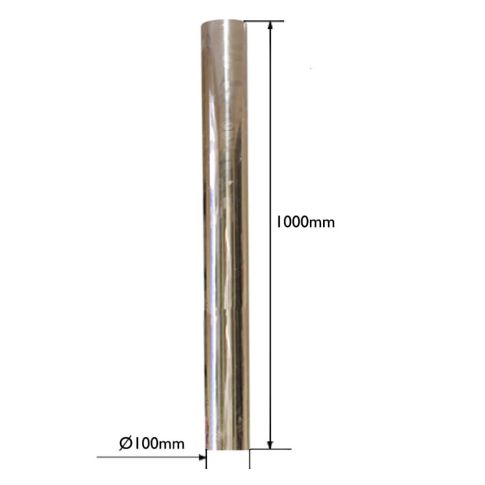
Insulation pipe for central heating is an essential component of every heating system. Its role goes beyond simply covering pipes for aesthetic purposes. It is primarily a tool for optimizing energy efficiency, increasing safety, and extending the service life of the entire system.
The main task of an insulation pipe for central heating is to minimize heat loss in heating systems and protect against condensation in cooling systems. Unprotected central heating pipes lose a significant amount of heat energy to the environment. Insulation effectively prevents these losses, which translates into lower fuel consumption and lower heating bills. Insulation pipe for central heating also reduces noise, protects pipes from corrosion and damage, and prevents the environment from overheating. It is usually made of polyethylene foam, synthetic rubber or mineral wool, and its thickness and type are selected depending on the temperature of the medium and the ambient conditions.
Practical application of insulation pipe for central heating – its role, advantages, and examples of use.
Insulation pipe for central heating is used in heating systems and more. It can also be used in projects such as building a pizza oven. It can also be used when creating a fireplace with a water jacket. It can be used to insulate heating pipes in fireplace heating systems. All the materials necessary for this work can be found in the Vitcas store, as well as Vitcas boards and sealing cord. Boiler rooms and heat distribution units, cooling systems, and external pipes are also well protected by insulation pipe for central heating.
A good-quality insulation pipe for central heating quickly pays for itself through savings on heating costs. It also significantly increases the comfort and safety of use of the entire heating system.